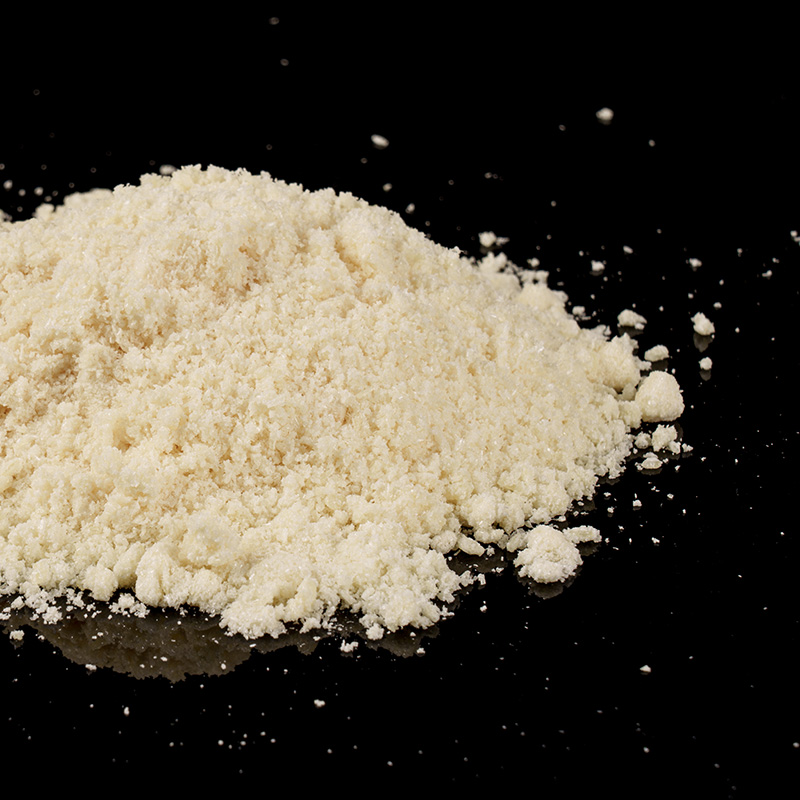
Gradul de puritate al Acid 2,5-furandicarboxilic (FDCA) are un impact direct și măsurabil asupra cineticii polimerizării la producerea furanoatului de polietilenă (PEF). Chiar și impuritățile la nivel de urme la concentrații de până la 50-100 ppm pot întârzia semnificativ ratele de policondensare, pot suprima acumularea greutății moleculare și pot introduce colorări nedorite în produsul final PEF. Pe scurt, FDCA de puritate mai mare dă în mod constant o polimerizare mai rapidă, vâscozitate intrinsecă mai mare și PEF cu performanțe mai bune. Înțelegerea exactă a modului și de ce se întâmplă acest lucru este esențială pentru oricine care aprovizionează sau procesează FDCA la scară industrială.
De ce puritatea FDCA este o variabilă critică a procesului
FDCA este monomerul diacid pe bază de bio folosit pentru a produce PEF prin esterificare și policondensare prin topire cu etilenglicol (EG). Spre deosebire de acidul tereftalic (TPA), care beneficiază de zeci de ani de infrastructură de producție ultra-rafinată, FDCA este de obicei sintetizat prin oxidarea catalitică a hidroximetilfurfuralului (HMF). Această rută introduce o serie de impurități potențiale care nu apar în fabricarea TPA.
Cele mai frecvent observate impurități în FDCA comercial includ:
- HMF rezidual și acid 5-hidroximetil-2-furancarboxilic (HMFCA)
- Acid 2-furoic (produs secundar al acidului monocarboxilic)
- Acid 5-formil-2-furancarboxilic (FFCA)
- Metale catalitice reziduale (de exemplu, Mn, Co, Br din catalizatorii de oxidare)
- Produse secundare oligomerice colorate și compuși de degradare de tip humic
Fiecare dintre aceste clase de impurități interacționează diferit cu sistemul de policondensare, dar toate afectează negativ cinetica în grade diferite.
Cum impuritățile specifice perturbă cinetica de polimerizare
Acizi monofuncționali ca opritori de lanț
Acidul 2-furoic, o impuritate a acidului monocarboxilic, acționează ca un terminator de lanț în timpul policondensării. Deoarece poartă o singură grupare carboxil reactivă, acoperă lanțurile polimerice în creștere și previne extinderea ulterioară. Chiar și la concentrații de 0,1 mol%, impuritățile monofuncționale pot reduce greutatea moleculară medie numerică (Mn) a PEF cu 15-25% , așa cum este prezis de ecuația lui Carothers pentru efectele de dezechilibru stoichiometrice. Rezultatul este un polimer cu proprietăți mecanice inferioare și vâscozitate intrinsecă mai mică (IV).
Impurități aldehidice și reacții secundare
FFCA (acid 5-formil-2-furancarboxilic) conține atât o grupare de acid carboxilic, cât și o grupare aldehidă. În timpul policondensării la temperatură înaltă (de obicei 230-270°C pentru PEF), funcționalitatea aldehidei poate participa la reacții secundare, inclusiv disproporționarea de tip Cannizzaro și condensarea cu grupări terminale hidroxil. Aceste reacții consumă capete reactive ale lanțului și generează produse secundare nevolatile care rămân încorporate în matricea polimerică, contribuind la creșterea indicelui de galbenitate (YI) și la distribuții mai largi ale greutății moleculare.
Catalizatori metalici reziduali
Urmele de metale din catalizatorii de oxidare HMF - în special speciile de cobalt (Co), mangan (Mn) și brom (Br) - pot interfera cu catalizatorii pe bază de antimoniu sau titan utilizați în policondensarea PEF. Reziduurile de Co și Mn pot provoca ruperea prematură a lanțului sau pot promova degradarea termică a inelului furan la temperaturi ridicate. Studiile au arătat că contaminarea cu CO peste 5 ppm în FDCA poate scădea constanta ratei de policondensare cu până la 30% atunci când se utilizează Sb₂O₃ ca catalizator primar, din cauza otrăvirii catalizatorului competitiv.
Subproduse colorate și calitate optică
Oligomerii de tip humic formați în timpul procesării HMF sunt de natură cromoforică. Deși nu modifică în mod dramatic cinetica de polimerizare, ele sunt încorporate în matricea PEF și produc o nuanță gălbuie sau maronie. Pentru aplicațiile de ambalare – piața finală primară a PEF – culoarea este un criteriu de respingere. PEF produs din FDCA cu un indice de galbenitate (YI) peste 3 pe monomerul brut este de obicei nepotrivit pentru aplicații cu sticle transparente fără remediere.
Comparația gradului de puritate: impact asupra parametrilor cheie PEF
Tabelul de mai jos rezumă modul în care trei clase de puritate reprezentative FDCA afectează polimerizarea și parametrii cheie ai produsului, pe baza cercetărilor publicate și a datelor de referință industriale:
Tabelul 1. Efectul gradului de puritate FDCA asupra rezultatelor polimerizării PEF | Parametru | Gradul tehnic (~97%) | Puritate ridicată (~99%) | Grad polimer (≥99,8%) |
| Vâscozitate intrinsecă (IV, dL/g) | 0,55–0,65 | 0,70–0,78 | 0,80–0,88 |
| Greutate moleculară medie în greutate (Mw, kDa) | 30–45 | 50–65 | 70–90 |
| Timp de policondensare până la țintă IV (min) | 180–240 | 120–160 | 90–120 |
| Indicele de galbenitate (YI) al PEF | >10 | 4–8 | <3 |
| Adecvarea pentru PEF de calitate pe sticlă | Nu | Marginal | Da |
Comparație cu polimerizarea PET pe bază de TPA
Pentru a contextualiza sensibilitatea la puritate a FDCA, este util să o comparăm cu sistemul TPA/PET bine stabilit. TPA purificat (PTA) utilizat în producția comercială de PET atinge în mod obișnuit puritățile de ≥99,95% , cu 4-carboxibenzaldehidă (4-CBA) - impuritatea primară care perturbă cinetica - controlată la sub 25 ppm. Acest punct de referință a fost atins după decenii de perfecționare a procesului.
Prin contrast, furnizorii comerciali actuali de FDCA oferă în mod obișnuit material de calitate polimerică cu o puritate de 99,5–99,8%, cu niveluri de FFCA variind de la 50 la 300 ppm. Aceasta înseamnă că chiar și cel mai bun FDCA disponibil astăzi este încă cu unul sau două ordine de mărime mai puțin pur decât PTA comercial pe dimensiunea critică a impurității aldehidei. Acest decalaj explică în mod direct de ce ciclurile de policondensare PEF sunt în prezent cu 20-40% mai lungi decât ciclurile PET echivalente în condiții de reactoare comparabile.
În plus, TPA este în esență insolubil în EG la temperatura camerei, dar se dizolvă în condițiile procesului într-un mod previzibil. FDCA prezintă un comportament de dizolvare oarecum diferit, iar impuritățile își pot modifica punctul de topire (FDCA pur se topește la ~ 342 ° C) și profilul de solubilitate, creând inconsecvențe în etapa de esterificare care agravează probleme cinetice în aval.
Implicații practice pentru producătorii PEF
Pentru producătorii industriali de PEF, alegerea gradului de puritate FDCA nu este doar o preferință de calitate, ci afectează direct economia procesului, randamentul și calificarea produsului. Luați în considerare următoarele consecințe practice:
- Productivitatea reactorului: Utilizarea FDCA de calitate tehnică (~97%) poate necesita timpi de reținere a policondensării cu 50-100% mai mari pentru a se apropia de aceeași țintă IV ca FDCA de calitate polimerică, reducând direct debitul anual al reactorului.
- Ajustări de încărcare a catalizatorului: Pentru a compensa întârzierea cinetică legată de impurități, producătorii pot crește concentrația catalizatorului, ceea ce riscă să accelereze degradarea termică și să crească generarea de acetaldehidă - o problemă critică de contact cu alimentele pentru sticlele PEF.
- Fezabilitatea polimerizării în stare solidă (SSP): PEF cu IV scăzut de la FDCA impur este dificil de actualizat prin SSP datorită Tg-ului ridicat al PEF (~86°C), care îngustează fereastra de procesare a SSP în comparație cu PET.
- Eșecuri de specificație și reluare: Loturile produse din FDCA cu puritate variabilă vor prezenta distribuții IV și de culoare mai largi, crescând ratele de respingere a calității și costurile de reprelucrare.
Specificații de puritate FDCA recomandate în funcție de aplicație
Pe baza experienței curente din industrie și a științei polimerilor publicate, se recomandă următoarele criterii de puritate atunci când se aprovizionează FDCA pentru producția de PEF:
- PEF de calitate sticla (ambalaj pentru băuturi): ≥99,8% puritate FDCA; FFCA ≤50 ppm; metale reziduale ≤5 ppm fiecare; YI de monomer ≤2
- PEF pentru peliculă și fibre: ≥99,5% puritate FDCA; FFCA ≤150 ppm; metale ≤10 ppm
- Aplicații de rășină sau spumă de inginerie: Puritatea ≥99,0% FDCA poate fi acceptabilă dacă țintele de culoare și greutate moleculară sunt relaxate
- C&D și lucrări la scară pilot: FDCA de înaltă puritate (~99%) este suficient pentru modelarea cinetică și screening, dar rezultatele nu trebuie extrapolate la comportamentul materialului de calitate tehnică
Puritatea FDCA este una dintre cele mai influente variabile în cinetica polimerizării PEF. Impuritățile - în special acizii monofuncționali, intermediarii purtători de aldehide și metalele catalizatoare reziduale - atacă fiecare procesul de policondensare prin mecanisme distincte, încetinind în mod colectiv creșterea lanțului, limitând greutatea moleculară și degradând calitatea optică. FDCA de grad polimeric (≥99,8%) este minimul practic pentru producția de PEF de tip sticle viabilă din punct de vedere comercial , iar decalajul dintre standardele actuale de puritate FDCA și standardul de referință stabilit de TPA purificat rămâne o provocare tehnică cheie pe care industria PEF trebuie să o închidă. Pe măsură ce tehnologia de producție FDCA se maturizează și procesele de purificare se îmbunătățesc, este de așteptat ca performanța cinetică a policondensării PEF să se apropie – și potențial să se potrivească – cu cea a sistemelor PET existente.